 By
By 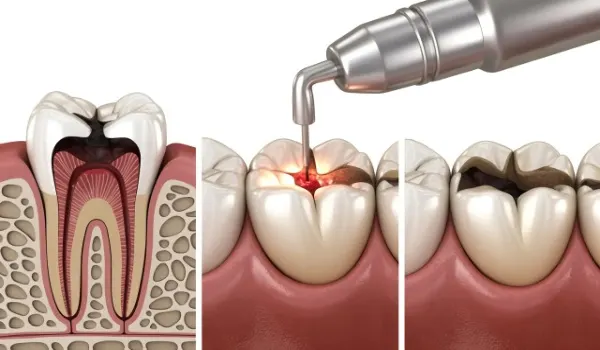
Dental cavities are one of the most common oral health problems affecting people of all ages. If left untreated, cavities can worsen, leading to tooth sensitivity, infection, or even tooth loss. One of the most effective and widely used solutions for repairing cavities is Dental Filling Treatment.
This procedure restores the damaged portion of the tooth, prevents further decay, and helps maintain a healthy smile. In this article, we’ll explore the complete process, address common concerns about pain, and explain proper aftercare for long-lasting results.
What Is Dental Filling Treatment?
Dental Filling Treatment is a restorative dental procedure used to repair teeth damaged by cavities. The dentist removes the decayed portion of the tooth and fills the space with a durable material.
This helps restore the tooth’s shape, strength, and function while preventing bacteria from re-entering the affected area.
Common filling materials include composite resin (tooth-colored), amalgam (silver), ceramic, and glass ionomer. The choice depends on factors such as the location of the cavity, budget, and aesthetic preferences.
What Are Dental Cavities?
Dental cavities, also known as tooth decay, occur when bacteria in the mouth produce acids that erode tooth enamel. Poor oral hygiene, excessive sugar intake, and infrequent dental check-ups increase the risk of cavities.
Early-stage cavities may not cause pain, but as decay progresses, symptoms such as toothache, sensitivity to hot or cold, and visible holes in teeth may appear.
Step-by-Step Process of Dental Filling Treatment
Understanding the procedure can help reduce anxiety and prepare you for the appointment.
1. Dental Examination and Diagnosis
The dentist examines your teeth using visual inspection and X-rays to identify the extent of decay. Once a cavity is confirmed, the dentist recommends a filling.
2. Numbing the Area
Local anesthesia is applied to numb the tooth and surrounding gums. This ensures comfort during the procedure.
3. Removing Tooth Decay
The decayed portion of the tooth is carefully removed using specialized dental instruments. This step is crucial to prevent further spread of decay.
4. Cleaning the Tooth
After removing decay, the dentist cleans the cavity to eliminate bacteria and debris.
5. Filling the Tooth
The chosen filling material is placed into the cavity, shaped to match the natural tooth structure, and hardened using a special light if needed.
6. Polishing and Bite Adjustment
Finally, the filling is polished, and your bite is checked to ensure comfort while chewing.
The entire procedure usually takes 30 to 60 minutes and can be completed in a single visit.
Is Dental Filling Treatment Painful?
One of the most common concerns is pain. Thanks to modern dental techniques and anesthesia, Dental Filling Treatment is generally painless. You may feel slight pressure during the procedure, but discomfort is minimal.
After the anesthesia wears off, mild sensitivity or soreness may occur for a day or two, especially when eating hot or cold foods. This is normal and usually subsides on its own. If pain persists beyond a few days, it’s important to consult your dentist.
Aftercare Tips for Dental Fillings
Proper aftercare ensures the longevity of your filling and overall oral health.
- Avoid eating until numbness wears off to prevent accidental biting of the cheek or tongue.
- Choose soft foods for the first 24 hours, especially if you experience sensitivity.
- Maintain good oral hygiene by brushing twice daily and flossing regularly.
- Avoid very hard or sticky foods that could damage the filling.
- Schedule regular dental check-ups to monitor the condition of the filling and surrounding teeth.
With proper care, most dental fillings can last several years.
Benefits of Dental Filling Treatment
- Stops the progression of tooth decay
- Restores normal chewing function
- Improves tooth appearance with tooth-colored fillings
- Prevents the need for more complex treatments like Dental Crown Treatment or root canals.
Early treatment not only saves your tooth but also reduces overall dental costs in the long run.
Conclusion
Dental cavities should never be ignored, as they can lead to serious oral health issues if untreated. Dental Filling Treatment is a simple, effective, and minimally invasive solution to restore damaged teeth and protect them from further decay.
By understanding the process, knowing what to expect in terms of pain, and following proper aftercare, you can ensure long-lasting results and maintain a healthy smile. Regular dental visits and good oral hygiene remain the key to preventing cavities and preserving your overall dental health.
FAQs
1. How long does a dental filling last?
The lifespan of a filling depends on the material used and oral hygiene habits. Composite fillings typically last 5–7 years, while amalgam fillings can last 10–15 years or more.
2. Can I eat immediately after a dental filling?
For composite fillings, you can usually eat once the numbness wears off. For amalgam fillings, it’s best to wait a few hours before eating solid foods.
3. Is dental filling treatment safe?
Yes, dental filling treatment is a safe and routine procedure. Dentists use approved materials and techniques to ensure patient safety and comfort.



Comments