 By
By 
Missing teeth can affect daily life in many ways, from chewing efficiency to speech clarity and overall confidence. Dental bridges are a commonly recommended solution to restore both function and appearance.
However, before treatment begins, patients go through a detailed evaluation phase designed to ensure the best possible outcome. Understanding the dental bridges consultation process helps you feel informed, confident, and prepared for the journey ahead.
The Purpose of a Dental Consultation
A dental bridges consultation is not just a preliminary visit—it is the foundation of the entire treatment. The goal is to assess your oral health, determine whether a bridge is the most suitable option, and create a customized plan tailored to your needs. This stage focuses on accuracy, safety, and long-term success rather than rushing into treatment.
Initial Oral Assessment
The consultation typically begins with a comprehensive oral examination. Your dentist will evaluate the area where teeth are missing, as well as the condition of adjacent teeth and surrounding gums. Since dental bridges rely on neighboring teeth for support, their strength and stability are critical.
The dentist also checks bite alignment, jaw function, and signs of gum disease or decay. This detailed assessment ensures that the supporting teeth can safely hold a bridge without causing future complications.
Diagnostic Imaging and Records
To gain a deeper understanding of your oral condition, diagnostic tools such as digital X-rays or intraoral scans are often used. These images help evaluate bone levels, root health, and any underlying issues not visible during a physical exam.
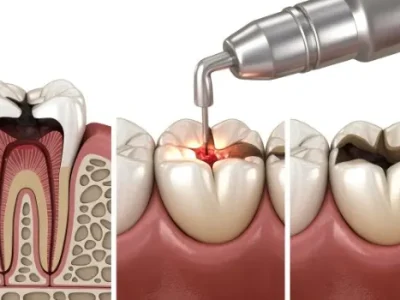
During a Dental Bridges Consultation, these diagnostic records play a key role in determining whether additional treatments—such as gum therapy or Dental Filling Treatment—are needed before proceeding with bridge placement.
Evaluating Suitability for a Dental Bridge
Not every patient is an ideal candidate for a dental bridge, and this step is crucial in the decision-making process. Your dentist considers factors such as the number of missing teeth, the health of supporting teeth, and your overall oral hygiene habits.
If a bridge is suitable, the dentist will explain why it’s recommended. If not, alternative treatment options may be discussed to ensure the most appropriate solution for your situation.
Exploring Bridge Types and Materials
Dental bridges come in different designs, each suited for specific conditions. During the consultation, your dentist will explain options such as traditional bridges, cantilever bridges, or implant-supported bridges.
The discussion also includes material choices, such as porcelain or ceramic, which influence durability and appearance.
This part of the process allows patients to understand how their bridge will look, feel, and function once placed.
Personalized Treatment Planning
Once the assessment is complete, a customized treatment plan is created. This plan outlines the number of appointments required, preparation steps, and the overall timeline. Your dentist will also discuss maintenance expectations and how to care for the bridge after placement.
Cost considerations, insurance coverage, and payment options are often reviewed at this stage to provide clarity and transparency. A Dental Bridges Consultation ensures that there are no surprises once treatment begins.
Preparing for Treatment
Before moving forward, your dentist will address any questions or concerns you may have.
This includes discussing potential discomfort, recovery expectations, and how the procedure may affect daily activities. Clear communication at this stage helps patients feel comfortable and confident about proceeding.
Once all steps are completed and consent is given, treatment appointments can be scheduled.
Conclusion
From initial assessment to treatment planning, the consultation process plays a vital role in successful dental bridge treatment. A thorough evaluation ensures that your oral health is protected while delivering a solution that restores comfort, function, and confidence.
By understanding each step of the dental bridges consultation process, patients can make informed decisions and move forward knowing their treatment is designed for long-term success.
FAQs
1. How long does the dental bridges consultation process take?
The consultation usually lasts between 30 and 60 minutes, depending on examinations and imaging.
2. Is the consultation required before every bridge treatment?
Yes, a consultation is essential to ensure the bridge is safe, suitable, and properly planned.
3. Will treatment start on the same day as the consultation?
In most cases, treatment begins on a separate visit after planning and preparation.
4. Are dental bridges suitable for multiple missing teeth?
Yes, bridges can replace one or more missing teeth, depending on oral conditions.
5. How long do dental bridges typically last?
With proper care, dental bridges can last many years and remain functional and comfortable.




Comments