 By
By 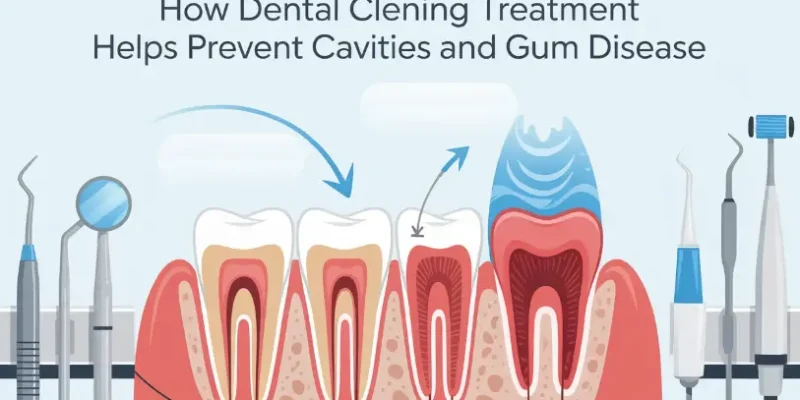
Maintaining good oral hygiene is more than just brushing twice a day. While daily care is important, professional dental visits play a crucial role in protecting your teeth and gums from long-term damage.
A Dental Cleaning Treatment is one of the most effective preventive procedures that keeps your smile healthy and strong. It removes harmful buildup, reduces the risk of decay, and protects your gums from infection.
Let’s understand how this simple yet powerful treatment helps prevent cavities and gum disease.
Understanding Cavities and Gum Disease
Cavities develop when plaque — a sticky film of bacteria — accumulates on the teeth and produces acids that weaken the enamel. If left untreated, this can lead to tooth decay, sensitivity, and even tooth loss.
Gum disease, also known as periodontal disease, begins with inflammation of the gums due to plaque and tartar buildup along the gumline.
Early-stage gum disease (gingivitis) can cause redness, swelling, and bleeding. If ignored, it can progress into periodontitis, a more serious condition that affects the supporting structures of the teeth.
Both conditions are largely preventable with regular professional care.
How Plaque and Tartar Cause Damage
Even with regular brushing and flossing, it is difficult to remove all plaque from hard-to-reach areas of the mouth. When plaque remains on the teeth for too long, it hardens into tartar (calculus). Tartar cannot be removed with regular brushing and requires professional tools.
Tartar buildup creates a rough surface that attracts more bacteria, increasing the risk of cavities and gum infections. This is where a Dental Cleaning Treatment becomes essential.
How Dental Cleaning Treatment Prevents Cavities
Professional cleaning removes plaque and tartar from the tooth surface, especially in areas that are difficult to clean at home. By eliminating this harmful buildup, the treatment:
- Reduces acid production from bacteria
- Protects tooth enamel from erosion
- Stops early decay from progressing
- Minimizes the need for fillings and advanced procedures
During the procedure, dental professionals use specialized instruments to carefully clean between teeth and along the gumline. This thorough removal significantly lowers the chances of cavity formation.
How It Protects Your Gums
Gum disease often begins silently. Many people do not realize they have early gum inflammation until symptoms worsen. A professional cleaning helps by:
- Removing bacteria lodged under the gumline
- Reducing gum inflammation
- Preventing bleeding and swelling
- Lowering the risk of bone loss
By keeping the gums free from infection, regular cleanings help maintain strong support for your teeth. Healthy gums are essential for overall oral health and long-term tooth stability.
Early Detection of Oral Problems
Another major benefit of Dental Cleaning Treatment is early diagnosis. During your appointment, your dentist examines your teeth and gums for signs of decay, infection, or other concerns. Detecting issues early means they can be treated quickly, preventing complications and saving you time and money in the future.
Fresh Breath and Improved Appearance
Plaque and tartar buildup can cause persistent bad breath. Professional cleaning eliminates odor-causing bacteria, leaving your mouth feeling fresh and clean. It also removes surface stains from food, beverages, and tobacco, improving the overall appearance of your smile.
While cleaning is not the same as whitening, it helps restore your teeth’s natural brightness.
How Often Should You Get It Done?
Most dental professionals recommend getting a cleaning every six months. However, individuals with a higher risk of gum disease may require more frequent visits. Your dentist will suggest a schedule based on your oral health condition.
Regular appointments combined with proper brushing, flossing, and a balanced diet create a strong defense against cavities and gum disease.
Conclusion
Cavities and gum disease are common oral health problems, but they are largely preventable with the right care.
Regular Dental Cleaning Treatment plays a vital role in removing harmful plaque and tartar, protecting tooth enamel, and keeping gums healthy. It not only prevents serious dental issues but also promotes fresher breath and a more confident smile.
By combining professional cleanings with consistent home care, you can maintain strong teeth and healthy gums for years to come. Prioritizing preventive care today can save you from complex treatments tomorrow.
FAQs
1. Is dental cleaning painful?
Generally, it is not painful. You may feel slight discomfort if you have sensitive teeth or inflamed gums, but the procedure is usually gentle and manageable.
2. How long does a cleaning appointment take?
A standard cleaning session usually takes between 30 to 60 minutes, depending on the level of buildup.
3. Can dental cleaning damage enamel?
No, professional cleaning is safe and performed using specialized tools designed to protect your enamel.
4. Does dental cleaning whiten teeth?
It removes surface stains and makes teeth appear brighter, but it is not the same as a cosmetic whitening procedure.
5. Can I skip cleaning if I brush and floss daily?
Brushing and flossing are essential, but they cannot remove hardened tartar. Professional cleaning is necessary to maintain optimal oral health.


Comments