 By
By 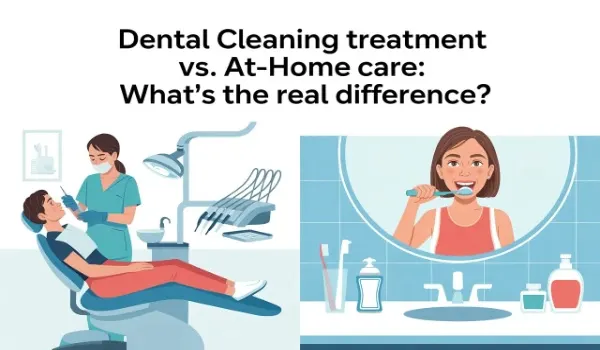
Maintaining good oral hygiene is essential for a healthy smile, fresh breath, and overall well-being. Most people rely on daily brushing and flossing to keep their teeth clean, but many still wonder whether professional dental visits are truly necessary.
When it comes to Dental Cleaning Treatment versus at-home care, the differences go far beyond convenience. Understanding how each approach works can help you make informed decisions about your oral health.
What Is Dental Cleaning Treatment?
Dental Cleaning Treatment is a professional procedure performed by a dentist or dental hygienist to remove plaque, tartar, and stains from your teeth. Unlike regular brushing at home, professional cleaning reaches areas that are difficult to clean with a toothbrush or floss.
The process usually involves scaling to remove hardened plaque (tartar), polishing to smooth the tooth surface, and sometimes fluoride treatment for added protection.
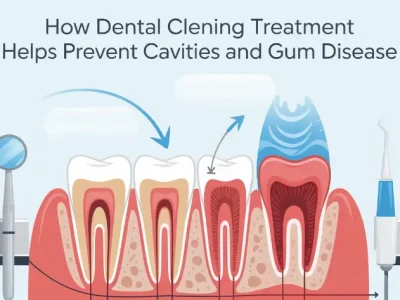
This treatment not only improves the appearance of your teeth but also plays a crucial role in preventing gum disease, cavities, and bad breath. Regular professional cleaning allows dentists to detect early signs of oral health issues, such as gingivitis or enamel erosion, before they turn into serious problems.
Choose the right dental service for your family to ensure consistent and effective dental cleaning treatment for long-term oral health.
What Does At-Home Dental Care Include?
At-home dental care focuses on daily habits like brushing twice a day, flossing once a day, and occasionally using mouthwash. These practices are essential for removing food particles, controlling plaque buildup, and maintaining fresh breath.
Modern dental products, such as electric toothbrushes and interdental brushes, have made home care more effective than ever.
However, even with excellent brushing and flossing techniques, at-home care has its limitations. Plaque that is not removed regularly can harden into tartar, which cannot be eliminated without professional tools. This is where at-home care falls short compared to a professional approach.
Key Differences Between Professional and At-Home Care
The most significant difference between Dental Cleaning Treatment and at-home care lies in effectiveness. Professional cleaning uses specialized instruments to remove tartar and deep plaque buildup, especially below the gumline. At-home care, while vital, can only manage surface-level plaque and debris.
Another major difference is prevention. Professional cleanings help prevent gum disease by thoroughly cleaning areas that bacteria commonly hide.
Dentists can also spot early warning signs of oral health problems during these visits. At home, you may not notice issues until symptoms like pain or bleeding appear.
Comfort and safety also vary. Dental professionals are trained to clean teeth without damaging enamel or gums, whereas aggressive brushing at home can sometimes cause gum recession or enamel wear if done incorrectly.
Benefits of Combining Both Approaches
The real secret to optimal oral health is not choosing one over the other but combining both methods. Daily at-home care forms the foundation of good oral hygiene, while professional Dental Cleaning Treatment provides the deep cleaning and preventive care that home routines cannot achieve alone.
When combined, these approaches reduce the risk of cavities, gum disease, and tooth loss. They also contribute to a brighter smile and fresher breath, boosting confidence and overall quality of life.
How Often Should You Opt for Professional Cleaning?
For most individuals, dentists recommend a professional dental cleaning every six months. However, people with gum disease, diabetes, or a history of frequent cavities may need more frequent visits. Your dentist can assess your oral health and recommend a cleaning schedule tailored to your needs.
Cost and Long-Term Value
Some people avoid professional cleanings due to perceived costs, but in the long run, regular cleanings can save money. Preventing serious dental issues through routine Dental Cleaning Treatment is far more affordable than treating advanced cavities, gum disease, or tooth loss.
Conclusion
When comparing Dental Cleaning Treatment and at-home care, it becomes clear that both play vital roles in maintaining oral health. At-home care helps manage daily plaque and keeps your mouth clean, while professional cleaning offers deep cleaning, early detection, and long-term protection.
Relying on only one approach may leave gaps in your oral hygiene routine. By combining consistent at-home habits with regular professional dental visits, you can protect your smile, prevent serious dental issues, and enjoy better oral health for years to come.
FAQs
1. Is at-home dental care enough to keep my teeth healthy?
At-home care is essential, but it cannot completely replace professional cleaning. Brushing and flossing help control plaque, but they cannot remove hardened tartar.
2. Does Dental Cleaning Treatment hurt?
Most people experience little to no discomfort during the procedure. Mild sensitivity may occur, especially if there is significant tartar buildup, but it is generally manageable.
3. Can professional cleaning whiten my teeth?
Professional cleaning removes surface stains, which can make teeth appear whiter. However, it is not the same as a whitening treatment designed to change tooth color.

Comments