 By
By 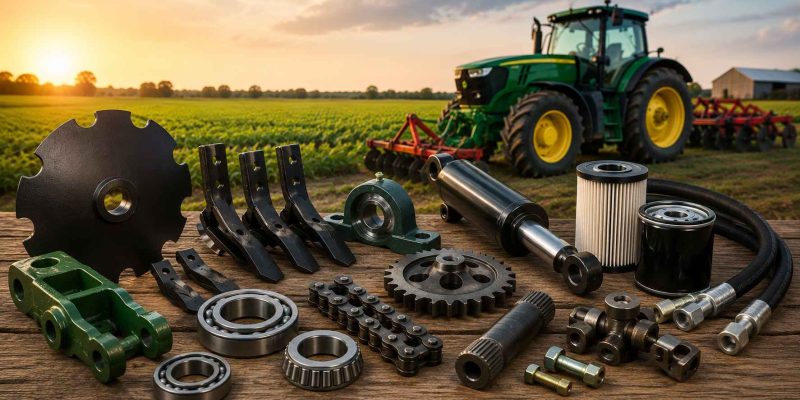
Farm equipment works hard, often running for long hours across tough terrain, dust, moisture, and unpredictable weather. Because of this, the parts that keep your machinery running matter just as much as the machinery itself. Choosing the best agriculture parts isn’t just about finding something that fits, it’s about finding components that deliver long-term performance, reduce downtime, and protect your investment over time. In this guide, we’ll walk through what to look for when selecting agricultural parts, the common types of components involved, and practical tips to help you make smarter buying decisions.
Why the Right Agriculture Parts Matter
Every farm operation depends on machinery functioning reliably during critical seasons like planting and harvesting. A single worn-out or poor-quality part can cause unexpected breakdowns, delayed fieldwork, and costly repairs. Selecting high-quality agricultural equipment parts isn’t just a maintenance decision, it’s a business decision that directly affects productivity and profitability.
When you invest in durable agriculture parts, you’re not just replacing a broken piece. You’re extending the life of your equipment, improving efficiency, and reducing the frequency of future repairs. This is especially important for parts that experience constant wear, such as blades, bearings, belts, and hydraulic components.
Key Factors to Consider When Choosing Agriculture Parts
1. Material Quality
The material used in manufacturing farm equipment parts plays a major role in how long they last. Look for parts made from hardened steel, forged alloys, or wear-resistant materials, especially for components that come into direct contact with soil, crops, or heavy loads. Cheaper materials may save money upfront but often wear out faster, leading to more frequent replacements.
2. Compatibility with Your Equipment
Not all agriculture parts are universal. Before purchasing, always verify that the part matches your equipment’s make, model, and specifications. Using mismatched or generic parts can lead to poor performance, increased strain on other components, and even safety risks. Whenever possible, check part numbers against your equipment manual or consult with your supplier.
3. Manufacturer Reputation
Choosing agricultural parts from a trusted manufacturer or supplier is one of the simplest ways to ensure long-term reliability. Established manufacturers typically follow strict quality control processes and offer parts that meet industry standards. Reading reviews, checking certifications, and asking for recommendations from other farmers can help you identify dependable suppliers.
4. Durability Under Working Conditions
Agricultural environments are demanding. Parts are exposed to dust, moisture, vibration, and heavy mechanical stress on a regular basis. When selecting durable farm parts, consider how well they’re designed to withstand these conditions. Features like corrosion-resistant coatings, reinforced joints, and heat-treated surfaces can significantly extend the lifespan of a component.
5. Warranty and After-Sales Support
A good warranty reflects a manufacturer’s confidence in their product. When comparing agriculture equipment parts, check what kind of warranty coverage is offered and what after-sales support is available. Reliable customer support can save you time and money if you ever run into fitment issues or early part failures.
Common Types of Agriculture Parts to Prioritize
Some agricultural components tend to wear out faster than others and deserve extra attention when selecting for long-term performance:
- Plow and tillage parts: Blades, shares, and points that dig into soil experience constant friction and need to be made from wear-resistant materials.
- Bearings and bushings: These support moving parts and reduce friction, so quality bearings directly impact machine efficiency and lifespan.
- Belts and chains: Used in power transmission systems, these components need to handle tension and movement without stretching or snapping prematurely.
- Hydraulic components: Seals, cylinders, and hoses must be leak-resistant and able to handle high pressure consistently.
- Filters: Air, oil, and fuel filters protect the engine from contaminants, and using quality filters helps prevent long-term engine damage.
- Gearbox and transmission parts: These handle heavy loads and require precise manufacturing to avoid premature failure.
Tips for Maximizing the Lifespan of Agriculture Parts
Choosing quality parts is only half the equation. Proper maintenance and usage practices also play a big role in how long agriculture parts perform well. Here are a few practical tips:
- Follow regular maintenance schedules: Routine inspections help catch wear and tear before it leads to a breakdown.
- Store equipment properly: Keeping machinery and spare parts in dry, covered areas prevents rust and material degradation.
- Use manufacturer-recommended parts: Sticking with OEM or high-quality aftermarket parts designed for your specific equipment reduces compatibility issues.
- Train equipment operators: Proper handling and operation reduce unnecessary strain on parts and machinery.
- Keep detailed maintenance records: Tracking part replacements and service history helps you anticipate future needs and identify recurring issues early.
How to Source Reliable Agriculture Parts
When looking for a supplier, consider working with businesses that specialize in agricultural machinery parts rather than general hardware stores. Specialized suppliers often have deeper technical knowledge, better inventory of hard-to-find parts, and stronger relationships with manufacturers.
It’s also worth comparing multiple suppliers before making a purchase. Look at pricing, but don’t let cost be the only deciding factor. A slightly higher upfront investment in better-quality agriculture parts often pays off through fewer replacements, reduced downtime, and smoother equipment performance over time.
Final Thoughts
Choosing the best agriculture parts for long-term performance comes down to balancing quality, compatibility, and durability with practical considerations like cost and supplier reliability. By paying attention to material quality, verifying compatibility, prioritizing trusted manufacturers, and maintaining your equipment properly, you can significantly reduce breakdowns and keep your farm running smoothly through every season.
Investing a little extra time into researching and selecting the right agricultural equipment parts today can save you significant time, money, and stress down the road, keeping your operations efficient and your machinery performing at its best for years to come.


Comments